

Digital exclusion is one of the biggest barriers to opportunity in the UK today. We often think of the internet and technology as things everyone has access to — but the reality is very different. Millions of people are locked out, not because they don’t want to be online, but because they lack the right device, the skills to use it, or a reliable connection. And when that happens, the impact reaches every corner of their lives.
The State of Digital Exclusion
The numbers speak for themselves:
1 in 14 households in the UK still don’t have home internet.
Around 1.6 million adults don’t own a device suitable for going online.
More than 7.9 million people fall below the Minimum Digital Living Standard — meaning they’re missing access, skills, or affordability.
45% of households with children fall below that same standard.
14% of young people don’t have a device suitable for learning, and 4% have neither a device nor home internet.
Among older adults, the gap is even wider: over 4.7 million people aged 65+ lack basic internet skills, and 2.3 million don’t use the internet at all.
At the same time, millions of households and businesses are holding onto tech they no longer use — on average, 31 unused devices per household. Perfectly good laptops, tablets, and phones gathering dust, while others are struggling without the basics.
Why Digital Inclusion Matters
When someone can’t get online, it’s not just about missing out on social media or streaming TV. Digital exclusion cuts people off from essential opportunities:
Education: young people without devices fall behind in school.
Employment: job applications are almost entirely online now.
Healthcare: GP appointments, test results, and hospital updates are increasingly digital.
Finances: banking, benefits, and bill management are harder without internet access.
Everyday life: from staying in touch with loved ones to accessing government services, everything is harder offline.
Charities feel the impact too. 56% say digital barriers make it difficult to reach service users, while 64% admit to internal skills gaps that hold them back.
The Bigger Picture
Digital exclusion doesn’t just keep people offline; it keeps them from moving forward. It reinforces existing inequalities around income, health, and education — making social mobility harder than ever. In fact, social mobility in the UK is now at its lowest point in 50 years. Without digital access, the gap between those who can move forward and those who can’t only gets wider.
What We're Doing at Green Machine
At Green Machine, we see both sides of the issue every day. On one hand, businesses and households are overflowing with unused devices. On the other, so many people are still without the tools they need to connect, learn, and thrive.
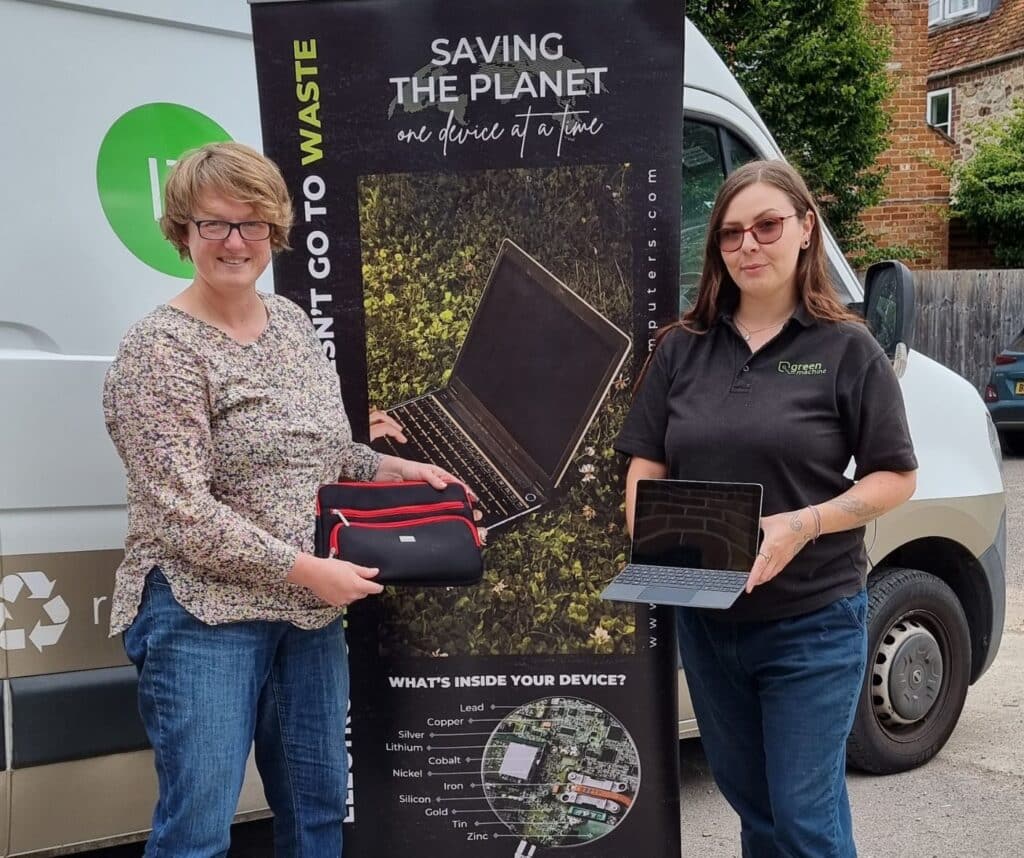
Our mission is to bridge that gap. By securely collecting, refurbishing, and rehoming unwanted IT, we’re able to give devices a second life and put them into the hands of those who need them most. It’s safe, it’s sustainable, and it makes a real difference in people’s lives.
Good for People. Good for the Planet.
Digital inclusion isn’t just about fairness, it’s also about sustainability. Every refurbished laptop or tablet reduces the need to manufacture a new one, saving hundreds of kilograms of CO₂ in the process. Recycling and reuse keeps e-waste out of landfill, recovers valuable resources, and makes technology accessible to the people who need it most.
Because access to technology shouldn’t be a privilege. It should be a given.